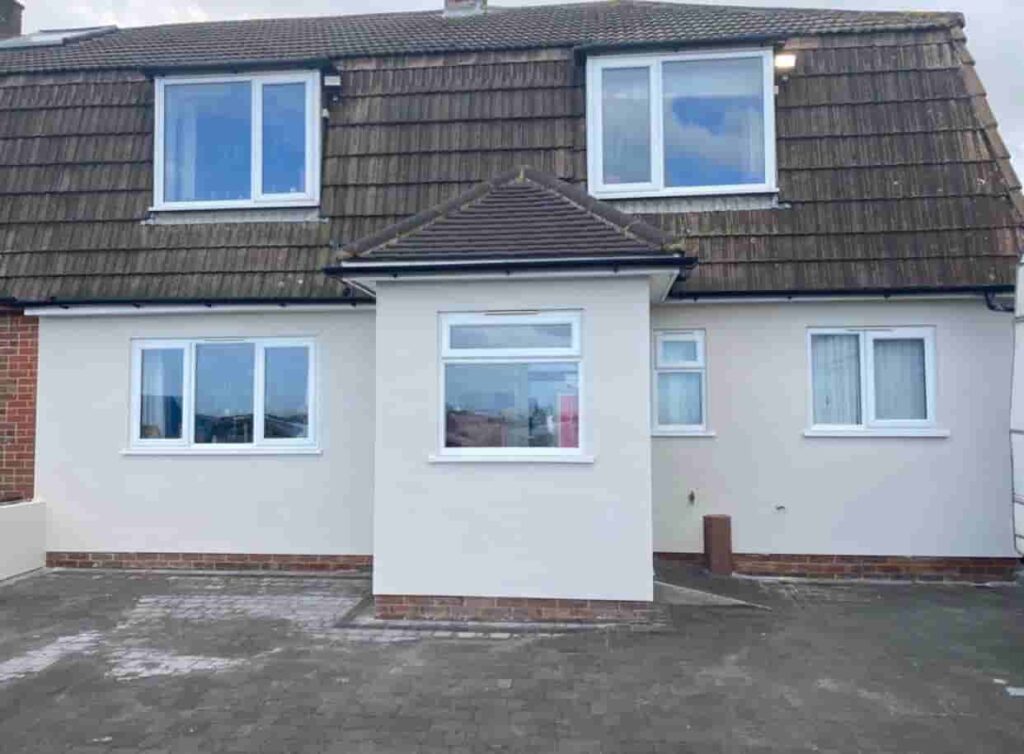
A roof rarely deteriorates all at once. In many cases, problems begin with relatively small signs of wear: a slipped tile, deteriorating mortar, a minor defect around flashing or the first indication of moisture entering the property. These issues may not initially appear serious, but roofing defects are constantly exposed to changing weather conditions and can gradually become more extensive.
For homeowners in Freshbrook, Wiltshire, recognising deterioration and arranging professional attention early can help preserve the condition of the wider roofing system. At LJ Roofing Freshbrook, we assess roofing problems carefully to establish what is causing the deterioration and what work is appropriate, rather than simply treating the most visible symptom.
What Does Early Roof Wear Look Like?
Some signs of deterioration are obvious, while others can be surprisingly subtle.
Homeowners may notice:
- Cracked or broken tiles
- Slipped or displaced tiles
- Loose ridge or hip materials
- Deterioration around flashing
- Moss collecting around vulnerable areas
- Small damp patches indoors
- Water staining in the loft
- Debris from roofing materials around the property
- Changes in the appearance of particular roof sections
None of these signs should automatically be assumed to indicate major roof failure. They do, however, provide a useful reason to investigate what is happening.
Small Openings Can Allow Water to Enter
A roof relies on overlapping materials and carefully constructed details to direct rainfall away from the property.
When a tile moves or a vulnerable junction deteriorates, even a relatively small opening can provide a route for water.
The difficulty is that water ingress may initially be limited. A defect could therefore exist for some time before obvious damp becomes visible inside the home.
Prompt investigation can identify the entry point before repeated rainfall increases the extent of the problem.
Water Can Travel Away from the Original Defect
One reason roof leaks require careful diagnosis is that the location of an internal damp patch does not necessarily identify where the roof has failed.
Water can travel along:
- Underlay
- Battens
- Roof timbers
- Junctions between materials
It may then appear inside the property some distance from the original entry point.
Professional inspection is therefore more useful than simply attempting to repair the roof directly above the visible internal stain.
One Slipped Tile Can Affect More Than One Area
An individual slipped tile may appear to be a very minor problem, particularly if it has not yet caused visible water ingress.
However, roof coverings are designed to work together. When one tile moves from its intended position, it can expose parts of the roofing system that were not designed for direct weather exposure.
It can also affect neighbouring tiles if movement continues.
Correcting a localised problem while the surrounding materials remain sound is generally much more straightforward than waiting for additional sections to become affected.
Weather Can Accelerate Existing Weaknesses
Roofing defects are continuously exposed to the elements.
A small weakness that remains relatively unchanged during settled weather may behave very differently during prolonged rainfall or strong winds.
For example, wind can increase movement around already loose materials, while repeated rainfall can exploit small gaps that previously appeared insignificant.
This is why postponing attention until a roofing problem becomes severe can be unpredictable. The condition may change considerably following a period of poor weather.
Flashing Problems Should Be Investigated Early
Flashing helps protect some of the most vulnerable junctions within a roof.
It may be found around features and areas where different surfaces meet. If flashing becomes loose, damaged or deteriorated, water can begin entering through the resulting gaps.
Early attention can establish whether the problem is confined to a particular detail or whether deterioration has affected surrounding roofing materials.
Ridge and Hip Deterioration Can Progress
Ridges and hips occupy exposed positions on many roofs and are important parts of the overall roofing system.
If materials around these areas begin to deteriorate, individual components may gradually become less secure. Strong winds and repeated weather exposure can then accelerate the problem.
Identifying movement or deterioration before materials become extensively displaced can help keep the necessary work focused on the affected area.
Prompt Attention Can Help Protect the Underlying Roof
The visible roof covering is only part of the roofing system.
Beneath it are components that may include:
- Underlay
- Battens
- Roof timbers
- Supporting structural elements
When the external covering remains weatherproof, these components are protected from direct rainfall. Once water begins entering repeatedly, however, materials beneath the surface can also be exposed to moisture.
Addressing the original defect promptly helps reduce the opportunity for a surface problem to affect deeper parts of the roof.
Early Repairs Can Preserve Sound Roofing Materials
Professional roof maintenance is not about replacing materials unnecessarily.
If most of the roof remains in good condition and deterioration is limited to a particular section, targeted repairs may restore the affected area while preserving serviceable materials elsewhere.
This is one of the strongest reasons to investigate developing problems early.
When deterioration is allowed to spread, the boundary between damaged and sound materials can become much less defined, potentially increasing the extent of work required.
Recurring Problems Need More Than Repeated Patching
Prompt attention does not simply mean carrying out the fastest possible repair.
If a roof repeatedly develops the same problem, it is important to understand why.
Recurring leaks or movement can sometimes indicate:
- A previous repair has deteriorated
- The original cause was not fully identified
- Surrounding materials have become worn
- A wider section of the roof is deteriorating
A professional assessment should look beyond the immediate symptom so that the work addresses the underlying issue wherever possible.
Interior Warning Signs Matter Too
Homeowners do not always notice roof deterioration from outside first.
Possible internal signs include:
- Damp marks on ceilings
- Water staining
- Moisture within the loft
- Discolouration around roof timbers
- Dampness appearing after rainfall
These symptoms should not automatically be assumed to have a particular cause, but they deserve investigation.
The sooner the source is identified, the sooner appropriate work can be considered.
Regular Observation Can Help Identify Changes
Homeowners do not need to climb onto their roofs to keep an eye on their condition.
Simple observations from ground level can reveal changes such as missing tiles, visible movement or debris following poor weather. Loft spaces can also sometimes provide early evidence of moisture.
The important point is to recognise changes rather than waiting for a major leak before seeking professional advice.
Roof inspections themselves should be undertaken appropriately by experienced professionals who can examine vulnerable areas more closely.
Does Every Sign of Wear Mean the Roof Needs Replacing?
No. Roof wear does not automatically mean that a new roof is required.
Many roofs experience isolated defects during their service life that can be repaired effectively.
Repairs may remain appropriate where:
- Damage is localised
- Surrounding tiles remain sound
- Underlying components are in suitable condition
- Water ingress has a clearly identifiable cause
- The wider roof continues to perform effectively
Full replacement becomes more relevant when deterioration is widespread and affects multiple interconnected parts of the roofing system.
An accurate assessment helps distinguish between these situations.
Why Professional Diagnosis Adds Value
Roofing problems are not always as straightforward as they appear from ground level.
A missing tile might be the complete problem, or it could be one visible sign of movement elsewhere. Similarly, an internal leak might originate from a completely different part of the roof from where the water finally becomes visible.
Professional roofers assess the wider system, including the condition of surrounding materials and vulnerable junctions.
At LJ Roofing Freshbrook, we provide professional roofing services throughout Freshbrook, Wiltshire. Our approach is centred on identifying the cause of deterioration and recommending work appropriate to the actual condition of the roof.
Whether the solution involves a focused repair or more extensive roofing work, accurate diagnosis is essential to achieving a dependable result.
Acting Early Helps You Stay Ahead of Roof Deterioration
The greatest advantage of prompt attention is that it gives homeowners an opportunity to respond while a problem may still be limited.
Instead of waiting until water ingress becomes extensive or several areas begin failing simultaneously, early assessment provides a clearer understanding of the roof’s condition.
This can help:
- Prevent minor defects from spreading
- Protect surrounding roofing materials
- Reduce repeated water exposure
- Identify developing weaknesses
- Keep maintenance more manageable
- Preserve the performance of an otherwise sound roof
Roof maintenance is most effective when it is proactive rather than entirely reactive.
Conclusion
Prompt attention is important when a roof starts showing signs of wear because small defects can become more significant when they remain exposed to wind and rain. A slipped tile, deteriorating flashing or minor leak may initially affect only a limited area, but continued weather exposure can allow deterioration to spread into surrounding materials and underlying roofing components.
Not every sign of wear requires extensive work. In many cases, identifying and repairing a localised defect early can help preserve the rest of a sound roofing system.
For homeowners in Freshbrook, Wiltshire, LJ Roofing Freshbrook can assess developing roof problems and recommend an appropriate solution based on the condition of the property. If you have noticed changes to your roof or early signs of water ingress, arranging professional attention promptly can help prevent a manageable roofing issue from becoming a much larger problem.
Call us on: 01793 378 891
Click here to find out more about LJ Roofing Freshbrook
Click here to complete our contact form and see how we can help with your roofing needs.